
Read More
5 Min Read
What Medical Affairs Can Learn From Veeva Summit 2026
If you are wondering what Medical Affairs can learn from Veeva Summit 2026, start here: Medical Affairs needs more places to compare notes with Medical Affairs.
Yes, there was orange everywhere. Orange signs, orange booths, orange carpet, orange accents. Vern, the orange Veeva guy, was there. Some of the Veevans were even wearing orange.
This was our first Veeva Summit, and it had a clear energy from the start.
People were not just there to sit in sessions, watch demos, and collect another conference tote bag. They were there to see how other teams are using technology, improving workflows, approaching AI, and connecting their work to value.
That is what stood out most.
Veeva Summit created a space for practical peer learning. And with everything changing so quickly across AI, insights, stakeholder engagement, and field workflows, Medical Affairs needs more of that.
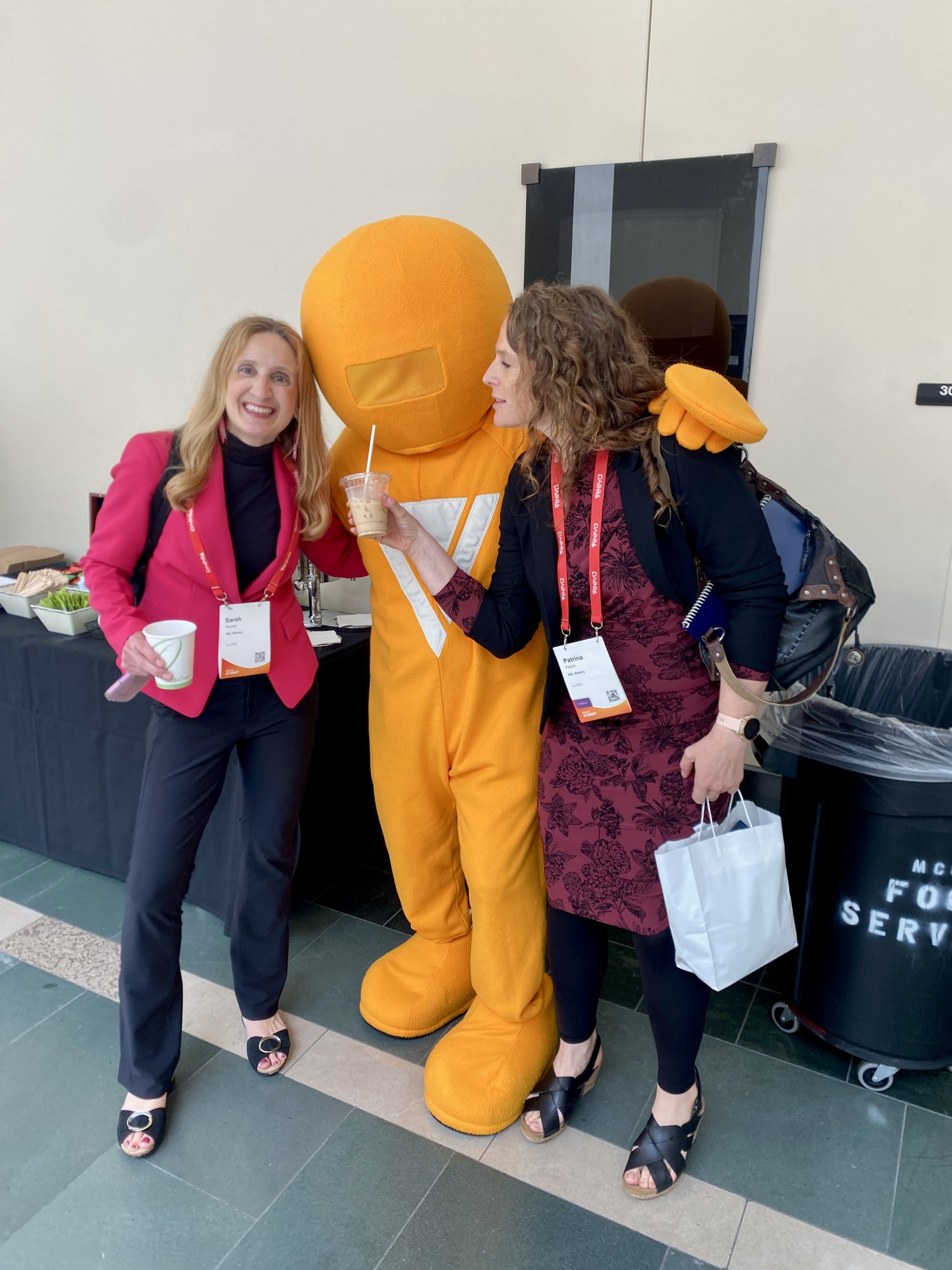
First Impression of Veeva Summit 2026
Getting to Veeva Summit felt like entering a whole Veeva world. On the first day, we saw a lady wearing an orange lanyard on the street and just followed her to the convention center. It was a beautiful day in Boston. It was also a heat wave, so Boston was doing its best impression of Florida.
There were around 2,000 attendees, different zones across the convention center, and Medical Affairs was up near the top around the 310 area. The sessions were busy. People were not just wandering around collecting tote bags and snacks. They were there to see what others were doing and learn what might work for their own teams.
Veeva Turned Product Updates Into Peer Learning
Veeva Summit did something smart: it did not make the product updates only about the product.
There were plenty of chances to see the technology in action. Some sessions showed current workflows, previewed features coming next, and then brought in customer panels to talk about how teams are actually using the platform.
That format worked because people were not just looking for a feature tour. They wanted context. They wanted to understand how other teams are setting things up, what questions they are asking internally, and how the product fits into real Medical Affairs work.
The questions were surprisingly specific, which made the sessions even more useful. People were asking about workflows, implementation, team adoption, and practical use cases. Not fluffy “what is your vision for the future?” questions. Actual “how are you doing this?” questions.
AI Was Everywhere, But the Workflow Focus Mattered Most
Veeva has clearly gone all in on AI. That was not subtle. There were endless demos of their AI capabilities and agents.
They showed how users can ask questions directly inside Veeva Link with the new Questions feature, like “What are the top three unmet needs in my area?” and get an answer based on the data available in the platform.
That is useful because pre-meeting planning lives and dies by context:
- What happened with this KOL in the past?
- Who else has engaged with them?
- Which congresses are they attending?
That is where it gets interesting for Medical Affairs. It can help teams ask better questions of Medical Affairs-relevant data. I’m excited to see how people integrate it into their workflows.
The Medical Keynote Was a Signal
Veeva has a reputation for focusing on commercial, but Medical Affairs is clearly becoming a bigger part of the Veeva Summit story. More than 400 Medical Affairs professionals registered this year, up from just over 200 last year. That is a pretty big jump.
I also had the chance to be part of the Medical Keynote panel with Jennie Ghith from GSK and Roy Palmer from Vertex, which was a huge honor. The room had 290 seats and was standing-room-only. Peter Gassner, the Veeva CEO, showed up and stayed for the whole session.
That combination matters. More Medical Affairs attendees. A packed Medical Keynote. Senior leadership in the room. Christoph Bug, the VP of Medical Affairs at Veeva, wanted Medical to takeover Summit.
And Medical showed up.
The room was full because the need is real. Medical Affairs teams are hungry for better workflows, better tools, and better ways to show value.
Final Thoughts: What Medical Affairs Can Learn From Veeva Summit 2026
Medical Affairs needs more rooms like this. Rooms where teams can ask practical questions, compare workflows, and see what others are actually doing.
That was the best part of Veeva Summit 2026: the chance to hear how other Medical Affairs teams are thinking through the same problems.
Leaders can bring that same energy back to their own teams. Do this by creating more spaces for people to share what is working, what is clunky, what they are testing, and what they are learning.
The more Medical Affairs teams learn from each other, the faster the function moves forward.
On the last day, Christoph was already telling me about plans for next year’s Summit. Just imagine where Medical Affairs will be with AI in a year. I can’t wait.
Read Next

Why Course Correction is a Must for Stakeholder Engagement Strategy
5 Min ReadWhy Course Correction is a Must for Stakeholder Engagement StrategyViews expressed in this article are personal. Imagine you're the captain of a ship. The sea is vast, the weather unpredictable, and the destination is clear but far away. You’ve got...
The Most Overlooked Skill in Medical Affairs
5 Min ReadThe Most Overlooked Skill in Medical AffairsThe most surprising thing I heard at Fierce Pharma Week wasn’t about AI, omnichannel, or measuring impact. It was how often Medical Affairs came up across the other tracks: commercialization, PR, and marketing....
23 Questions Every MSL Should Ask to Gather Better Insights
23 Powerful Questions Every MSL Should Ask to Gather Better Insights Great MSLs don’t just collect data. They ask better questions that uncover the why behind an HCP’s decisions. And have mastered the art of asking questions in a way that doesn't feel annoying,...

0 Comments